
Depression is a common and serious medical condition that causes a feeling of sadness and loss of interest that persists for over two weeks.
Fortunately, it is also treatable. It affects over 17.3 million American adults, age 18 and older, and 1.9 million children, 3 – 17 according to the National Institute of Mental Health and the Center for Disease Control. You’re not alone. Depression can occur at any time, but on average, first appears during the late teens to mid-20s. Women are more likely than men to experience depression. It may be passed down through the family. Or, it can occur because of abnormal brain chemistry, substance abuse, medications, medical problems or in response to traumatic events or an abusive environment. In other words, depression isn’t the fault of the person who’s suffering.
Symptoms of Depression
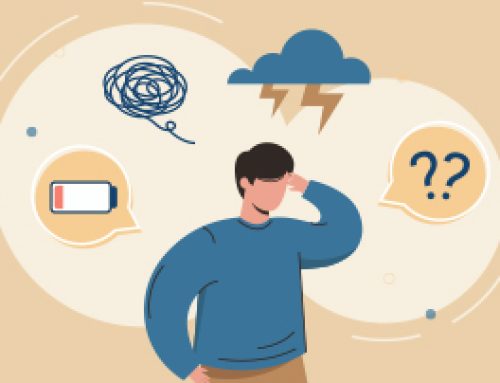
Symptoms of depression must last at least two weeks and must be a noticeable change in behavior. Depression symptoms can vary from mild to severe and can include:
- Feeling sad, empty, anxious or hopeless
- Feeling frustrated, restless or irritable
- Feeling worthless or guilty
- Loss of interest or pleasure in hobbies or activities once enjoyed
- Changes in appetite — weight loss or gain unrelated to dieting
- Trouble sleeping or sleeping too much
- Loss of energy or increased fatigue
- Difficulty thinking, concentrating or making decisions
- Thoughts of death or suicide
Effects of Depression on Your Health
Depression can affect your health. It may occur with other mental disorders and other illnesses, such as diabetes, cancer, heart disease, and chronic pain. Depression can make these conditions worse, and vice versa. Sometimes medications taken for these illnesses cause side effects that contribute to depression symptoms. It is important to get help for depression not only for your mental health, but also for your physical health.
How to Know When to Seek Help
We all go through times in our lives when we feel sad or experience grief. This is normal and the feelings go away after a short period of time. However, it’s when these symptoms don’t go away, when they occur every day for more than two weeks, that it’s time to seek help.
Many people with a mental health disorder don’t get treatment. They may think it won’t help, or they don’t recognize the symptoms. Others may not be able to afford treatment. The social stigma of mental illness also stops people from getting help. This often means worsening symptoms. In some cases, it leads to suicide. Depression is among the most treatable of mental disorders. Between 80% and 90% of people with depression eventually respond well to treatment. Almost all patients gain some relief from their symptoms.
If you think you may have depression or aren’t sure, talk to your primary care provider. Call your clinic to make an appointment.
Visit Perham Health’s Changing Minds page for more mental health resources.
__________
Ronald Burd, MD
Psychiatry




Leave A Comment