
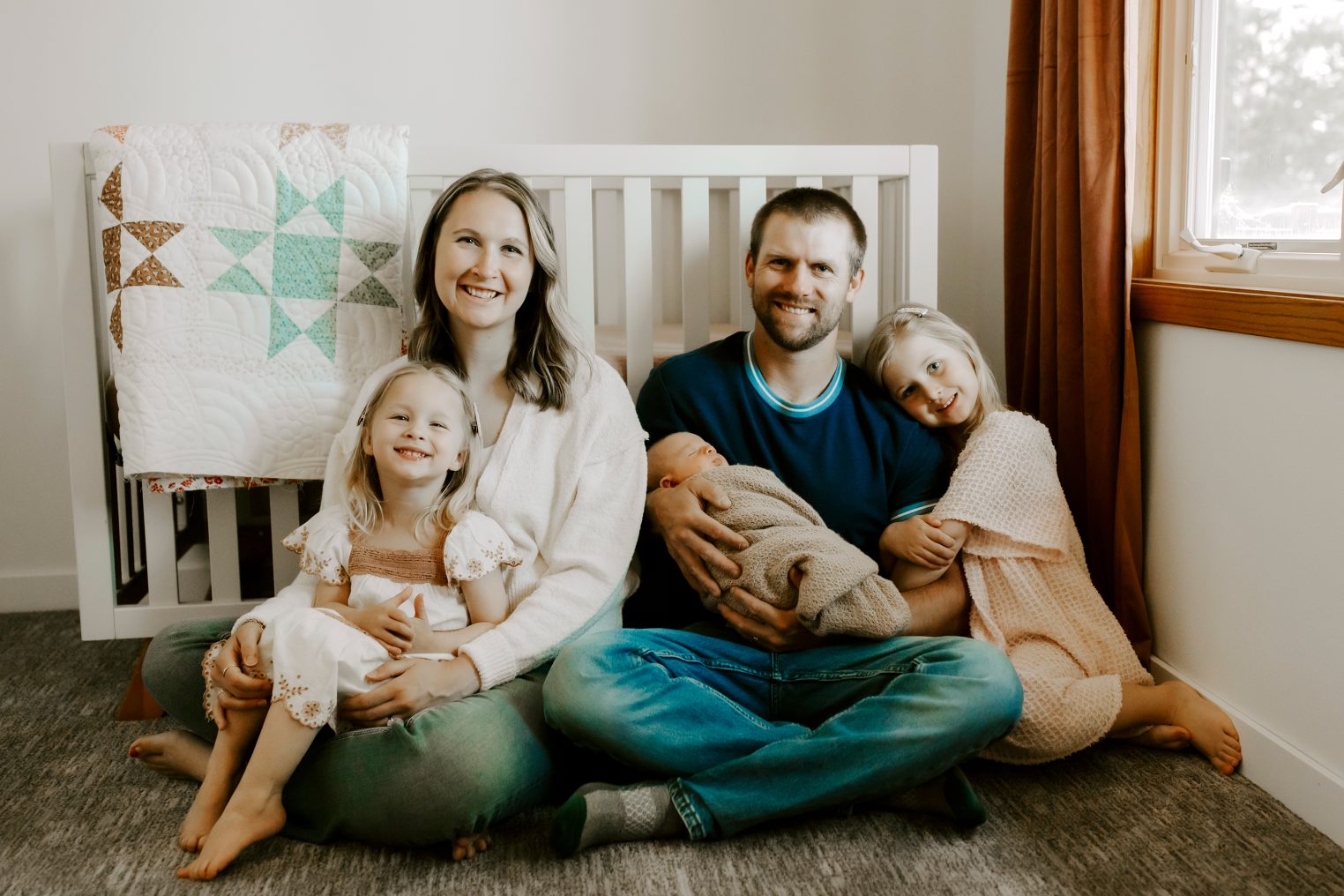
Welcoming a new baby into the world is often portrayed as one of life’s most joyous occasions. However, according to Perham Health physician and mom to three daughters ages 5, 3, and 5 months, Dr. Marlee Novak says, the postpartum period can be unexpectedly challenging and overwhelming for many new mothers.
“Postpartum depression is a severe mental health condition that affects approximately one in seven women after childbirth,” Dr. Novak said. “For this reason, it’s crucial to understand the causes of postpartum depression and recognize its symptoms, and know how to seek help and support.”
Causes of Postpartum Depression
Postpartum depression (PPD) is a complex condition influenced by a combination of physical, emotional, and environmental factors. To expand, here are some of the key causes:
- Hormonal Changes: After childbirth, women experience a significant drop in hormones such as estrogen and progesterone. These hormonal shifts can contribute to mood swings and depression.
- Physical Changes: A woman’s physical recovery from childbirth, including changes in blood volume, blood pressure, and metabolism, can affect her mood and energy levels.
- Emotional Factors: The demands of caring for a newborn, sleep deprivation, and the pressure to be a perfect mother can lead to feelings of inadequacy, anxiety, and depression.
- History of Mental Health Issues: Women with a history of depression or other mental health conditions are at a higher risk of developing PPD.
- Lack of Support: A lack of emotional support from partners, family, or friends can exacerbate feelings of isolation and depression.
- Stressful Life Events: Major life changes – such as moving to a new home, financial difficulties, or relationship problems – can contribute to the onset of PPD.
Recognizing Symptoms of Postpartum Depression
“It’s important to differentiate between the “baby blues,” which affect up to 80% of new mothers and typically resolve within two weeks. In contrast, postpartum depression is more severe and long-lasting,” added Dr. Novak. Symptoms of PPD include:
- Persistent sadness or hopelessness
- Severe mood swings
- Excessive crying
- Difficulty bonding with the baby
- Withdrawal from family and friends
- Loss of appetite or eating too much
- Insomnia or excessive sleep
- Overwhelming fatigue or loss of energy
- Feelings of worthlessness or guilt
- Difficulty concentrating or making decisions
- Intense irritability or anger
- Thoughts of harming oneself or the baby
What to Do About Postpartum Depression
At this time, if you suspect you or someone you know is experiencing postpartum depression, it’s essential to take action. Fortunately, these steps can help address PPD:
- Seek Professional Help: Consult a healthcare provider, such as a doctor, midwife, or mental health professional. They can assess your symptoms and recommend appropriate treatment options, including therapy, medication, or both.
- Talk About Your Feelings: Sharing your feelings with a trusted friend, family member, or support group can provide emotional relief and reduce feelings of isolation.
- Prioritize Self-Care: Taking care of your physical and emotional well-being is crucial. This includes eating a balanced diet, exercising regularly, and getting as much rest as possible.
- Ask for Help: Don’t hesitate to ask for help with household chores, childcare, or any other responsibilities. Accepting support can reduce stress and allow you to focus on your recovery.
- Join a Support Group: Connecting with other mothers experiencing similar challenges can provide valuable support and understanding.
- Consider Counseling: Therapy with a licensed mental health professional can help you work through your feelings and develop coping strategies.
- Stay Informed: Educate yourself about PPD to better understand what you’re going through and learn practical ways to manage it.
“It is important for patients to know that therapy and medications are both first-line options and considered equally effective when used alone, but likely provide a greater effect when used together,” commented Dr. Novak. “Seeking help from a provider does not always mean you need a medication or will be forced to start one. Also, it can be scary to take a medication when breastfeeding for fear it may negatively impact your baby.” More importantly, there are medication options that are considered safe and effective.
“From my own experience, I find that time on Instagram or other social media drastically impacts my mood and anxiety symptoms negatively,” said Dr. Novak. “Therefore, I end up comparing myself – if I am breastfeeding or not, as physically active, productive with my other children or in my home, working or not, going on date nights, etc. – which quickly brings me down. Consider time away from social media if this sounds familiar.” Instead, Dr. Novak encourages women to identify a support person, such as another mom going through similar things, to talk with and spend time with, if possible. They are likely experiencing similar feelings and can relate. Talking it out can be very helpful.
Resources:
- Postpartum Support International (PSI)
- National Institute of Mental Health (NIMH)
- American Psychological Association (APA)
- Local mental health clinics and support groups
- Grieving Together Support Group in the Perham Area
In summary, postpartum depression is a serious condition that requires attention and care. New mothers can navigate this challenging period and move toward recovery. To clarify, it is important to understand the causes of postpartum depression, recognize its symptoms, and take proactive steps to seek help and support. Remember, you are not alone, and help is available. Contact healthcare professionals, support networks, and loved ones to ensure you receive the care and support you need.
Together, by raising awareness and providing the proper support, we can help new mothers overcome postpartum depression and embrace the joys of motherhood.

Dr. Marlee Novak
About Perham Health
Perham Health is a 25-bed Critical Access Hospital with three primary care clinics, a 96-bed nursing home, home health care agency, adult day services, memory care assisted living, and senior housing. The medical staff consists of 24 physicians, a nurse midwife, 14 advance practice clinicians, and three chiropractors. Visit perhamhealth.org to learn more.
Our content is for informational purposes only and should not be relied upon as medical advice. The content is not designed to replace a physician’s medical assessment and medical judgment. As always, please consult first with your physician about health matters.



Leave A Comment