
Congratulations on your new baby! The first two weeks of life are exciting, challenging, and often exhausting for new parents. Along with all the snuggles and sweet moments come plenty of questions and worries. These tips can help guide you through feeding, weight gain, and sleep during those important early days.
Feeding and Weight Gain
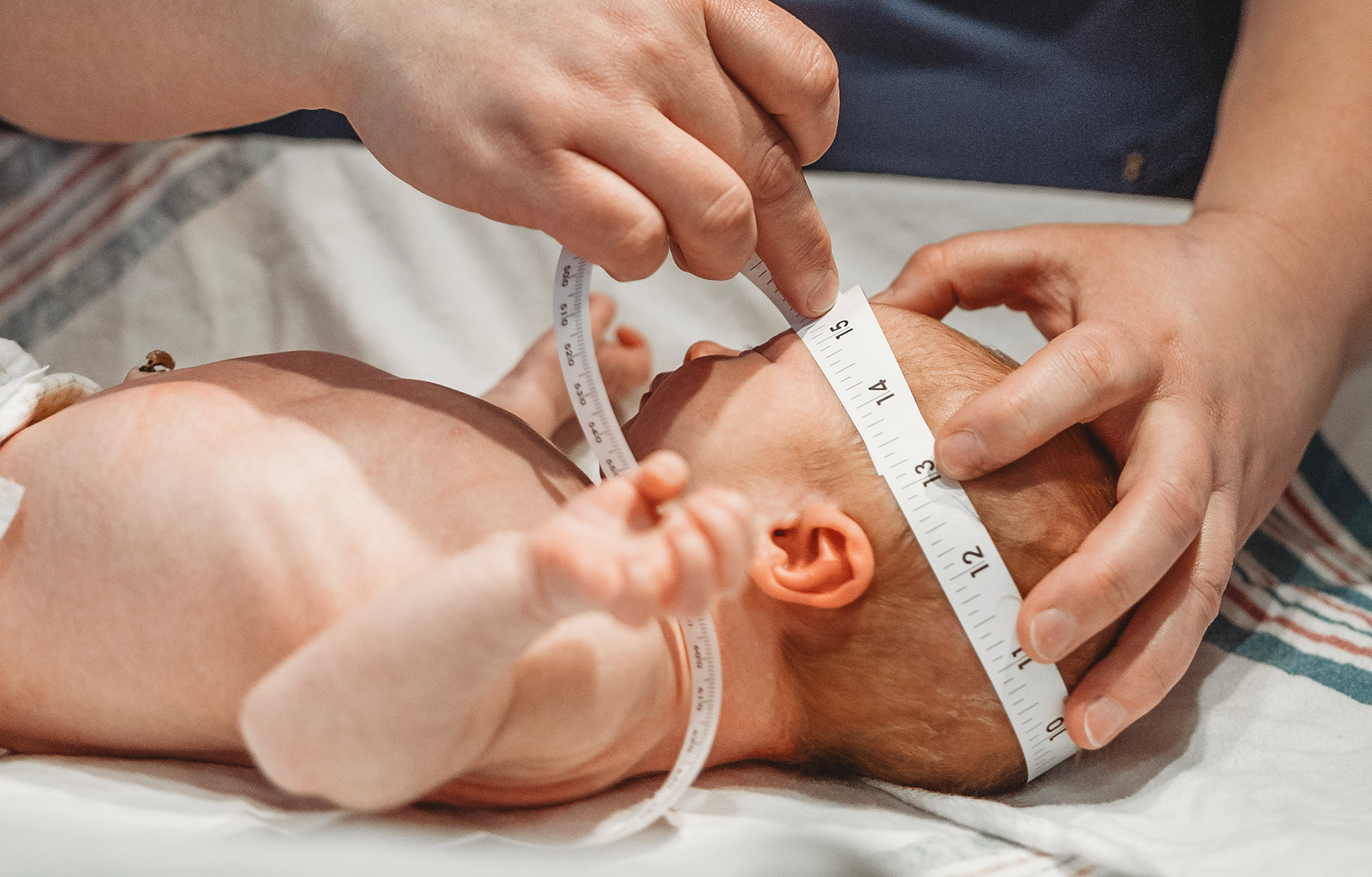
Nourishing babies with adequate feedings support growth, development, and a strong start for a lifetime of wellness.
One of the biggest goals during a baby's first two weeks of life is healthy weight gain. Most newborns lose some weight after birth, but we want them to regain that weight and return to their birth weight by around two weeks of age.
One question we hear often is, "How much should my baby be eating?" While every baby is unique, breast milk and formula feeding volumes are generally similar during the first few weeks of life.
If Weight Gain Is a Concern
Colostrum, the first milk produced after birth, is rich in antibodies and nutrients that help protect your baby. Because it is produced in small amounts during the first few days of life, some newborns may need additional feeding support if weight gain becomes a concern.
In some cases, supplementation with donor milk or formula may be recommended while waiting for a full milk supply to come in. Whatever feeding method works best for your family, our goal is a healthy, well-fed baby.
How Much Should My Baby Eat?
Feeding Volume by Age
- Day 1: 10 to 15 mL per feeding
- Day 2: ½ to 1 ounce per feeding
- Day 3: 1 to 2 ounces per feeding
- Days 4 to 6: 2 to 3 ounces per feeding
- Days 7 to 10: 2 to 3 ounces per feeding
- Days 10 to 14: 3 to 4 ounces per feeding
How Often Should I Feed My Baby?
When in doubt, try feeding your baby. During the first two weeks of life, feeding is often the answer to fussiness, waking, or rooting behaviors.
Newborns typically feed:
- 8 to 12 times in a 24-hour period
- On demand, whenever they show hunger cues
It's difficult to overfeed a newborn. If they take more than they need, they'll usually spit up the excess and let you know when they're ready to eat again.
Total Daily Feeding Volume
While every baby is different, total feeding volumes generally increase steadily during the first two weeks of life:
- Day 1: Approximately 3.5 to 6 ounces total in a 24-hour period
- By the end of Week 2: Approximately 13.5 to 20 ounces total in a 24-hour period
These numbers are general guidelines and may vary based on your baby's size, feeding method, and individual needs.
What About Breastfeeding?
For babies who nurse directly, it can be difficult to know exactly how much milk they're taking in at each feeding. Instead of focusing on ounces, pay attention to diaper counts and weight gain.
From approximately days 5 through 14, we like to see:
- At least 6 wet diapers
- At least 6 dirty diapers
each day.
These are reassuring signs that your baby is getting enough to eat.
Struggling With Latch or Breastfeeding?

We help moms and babies overcome breastfeeding latching challenges with expert support, guidance, and encouragement for a comfortable, successful feeding experience.
You're not alone.
Our lactation consultants are available both in the clinic and at our birthing center. They can:
- Observe a feeding session
- Evaluate latch concerns
- Perform weighted feeds before and after nursing
- Offer practical breastfeeding tips and support
- Answer questions and help troubleshoot challenges
Whether you're exclusively breastfeeding, supplementing, pumping, or figuring out what works best for your family, they're here to help.
Understanding Newborn Sleep
Every baby is different. Some babies show obvious signs that they're getting tired, while others offer only subtle clues. To make things even more interesting, one child may sleep completely differently than their sibling.
That's why understanding wake windows can be helpful.
A wake window is the amount of time a baby can comfortably stay awake between periods of sleep. Paying attention to these patterns can help prevent overtiredness and make it easier for babies to settle down when it's time to rest.
Apps can be useful for tracking patterns, but a simple daily routine works, too.
Sleepy Cues to Watch For
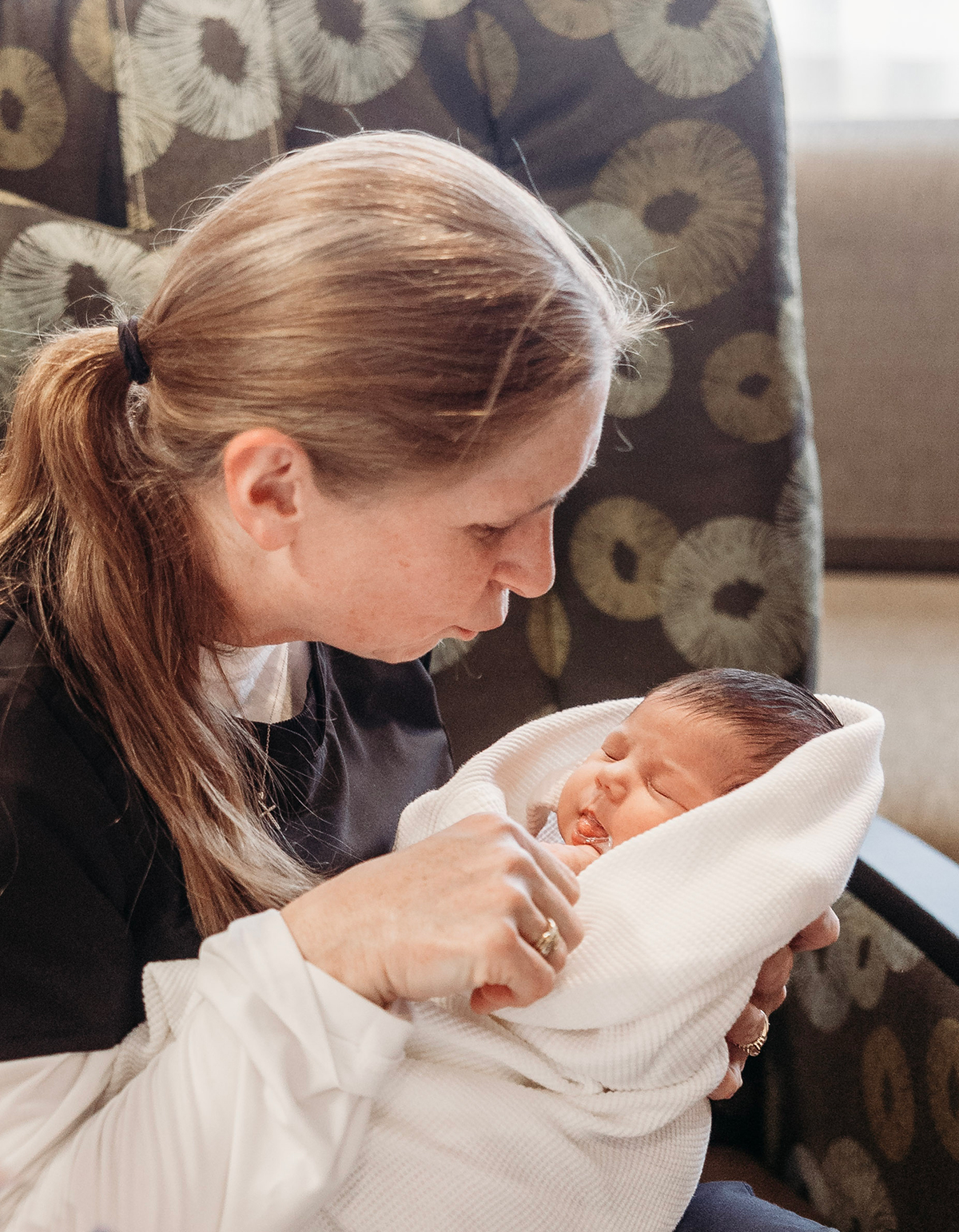
We support healthy sleep habits with expert guidance, personalized routines, and gentle strategies that help little ones rest soundly and thrive.
Keep an eye out for:
- Yawning
- Droopy eyelids
- Furrowed brows
- Small frowns or grimaces
- Staring off or zoning out
Rather than waiting until your baby is overtired, try beginning your sleep routine when you start noticing these cues or when their typical wake window is ending.
As Dr. Bucholz tells parents:
"Keeping babies on a regular sleep-wake schedule helps them fall asleep more easily, stay asleep longer, and avoid overtiredness."
How Much Sleep Do Babies Need?
While every baby has their own rhythm, these general guidelines can be helpful:
- Newborns: Up to 20 hours of sleep in a 24-hour period, usually in shorter stretches with approximately 45 minutes of awake time between sleep periods
- Around 4 months: Typically 10 to 12 hours of nighttime sleep, often with one to two feedings, plus 3 to 5 hours of daytime sleep
- 6 to 9 months: Many babies no longer need nighttime feedings
- Around 9 months: Naps often begin to shorten and consolidate
Remember, these are broad ranges. There is a wide range of normal when it comes to infant sleep.
If your baby's sleep patterns suddenly change, if they're difficult to wake for feedings, or if you have concerns about growth, development, or overall well-being, talk with your healthcare provider. Trust your instincts. We'd much rather answer a question early than have you worry at home.
A Final Word for New Parents
Learning your baby's feeding and sleep cues takes time, and nobody gets it right every time.
"There's a wide range of normal," Dr. Bucholz reminds parents. "If your baby's sleep patterns suddenly change, if they're difficult to wake for feedings, or if you have concerns about their growth, development, or overall well-being, talk with your provider."
"Full disclosure, as a parent myself, we're all just winging it," she adds. "The first few weeks can be exhausting, emotional, and overwhelming. It will test you, but give yourself grace. It is the best job in the world and definitely the most rewarding. Ask for help when you need it. Remember that you and your baby are learning together."
You've got this.

Our content is for informational purposes only and should not be relied upon as medical advice. The content is not designed to replace a physician’s medical assessment and medical judgment. As always, please consult first with your physician about health matters.




Leave A Comment