
Parents often wonder whether their child is developing speech and language skills at the "right" pace. While every child grows and learns differently, there are important communication milestones that can help identify when a child may benefit from additional support.
"One of the most common questions I hear from parents is whether they should be concerned that their child isn't talking as much as other children the same age," said Laura Nyhus, speech-language pathologist at Perham Health. "Every child develops differently, but there are certain signs we watch for that may indicate a child could benefit from an evaluation."
Recognizing concerns early can make a meaningful difference. When speech and language challenges are identified early, children can receive support that helps them build confidence, strengthen communication skills and prepare for success in school and everyday life.
Understanding the Difference Between Speech and Language
Although the terms are often used interchangeably, speech and language are not the same thing.
Speech refers to how a child produces sounds and words, including pronunciation, voice quality and fluency.
Language involves understanding and using words to communicate ideas, needs and feelings. Language skills include listening, speaking, reading, and writing.
"People often use the terms speech and language interchangeably, but they're actually different skills," Nyhus said. "A child may have difficulty with speech, language, or both, which is why it's important to look at the whole picture when evaluating communication development."
Early Signs to Watch For
Children reach developmental milestones at different rates, but some signs may suggest a speech or language delay.
During Infancy (Birth to 12 Months)
Parents may want to discuss their concerns with a healthcare provider if a child:
- Does not smile or engage with others.
- Does not babble by 4 to 7 months.
- Makes only a few sounds.
- Does not use gestures such as pointing, waving or reaching.
- Has difficulty responding to voices or sounds around them.
Between 1 and 2 Years
Possible warning signs include:
- Difficulty understanding simple instructions.
- Saying very few words.
- Not combining two words together, such as "more milk" or "mommy up."
- Having a vocabulary of fewer than 50 words by age 2. (Average number of words is around 300).
Between 2 and 4 Years
Parents may notice that a child:
- Is difficult for family members and familiar adults to understand.
- Has trouble interacting or communicating with other children.
- Uses words or sentences that are difficult for others to understand.
- Shows little interest in books, drawing, or other early literacy activities.
"Milestones aren't meant to make parents compare their child to others," Nyhus said. "They're simply tools that help us recognize when a child may need extra support."
Signs of Speech Sound Disorders
As children learn to talk, it's normal for them to make mistakes with certain sounds. However, a speech sound disorder may be present if a child frequently substitutes sounds, leaves sounds out of words, or remains difficult to understand beyond what is expected for their age.
"Many speech errors are part of normal development," Nyhus said. "What we're looking for is whether those errors persist longer than expected or make it difficult for others to understand the child."
Why Early Intervention Matters
Communication skills play an important role in a child's social, emotional, and academic development. Children who struggle to communicate may experience frustration, difficulties forming friendships, or challenges in the classroom.
"Early intervention isn't about labeling a child," Nyhus said. "It's about identifying challenges early and giving children the tools they need to communicate successfully. The earlier we can address concerns, the more opportunities children have to build confidence and develop skills that support learning and social interactions."
Research consistently shows that children who receive support early often achieve better outcomes and may require less intensive intervention later.
How Parents Can Support Language Development
Parents and caregivers have a powerful influence on their child's communication development. Nyhus recommends:
- Talking with your child throughout the day.
- Reading together regularly.
- Responding to your child's attempts to communicate.
- Encouraging play and conversation with other children.
- Using a variety of words and sentences during everyday activities.
- Limiting distractions during conversations so your child can focus on listening and responding.
"Some of the best opportunities for language development happen during everyday routines," Nyhus said. "Simple activities like reading a book, preparing a meal together, or talking during a car ride can help children build communication skills."
When to Seek Help
If you have concerns about your child's speech or language development, talk with your child's primary care provider. A referral to a speech-language pathologist can help determine whether your child is meeting appropriate developmental milestones and whether additional support would be beneficial.
"I always encourage parents to trust their instincts," Nyhus said. "If you're concerned, don't wait to ask questions. Sometimes we can provide reassurance, and other times we can identify opportunities to help a child develop stronger communication skills."
The Bottom Line
Every child develops at their own pace, but communication milestones can provide important clues about growth and development. By recognizing potential concerns early and seeking support when needed, parents can help ensure their child has the tools to communicate, learn and thrive.
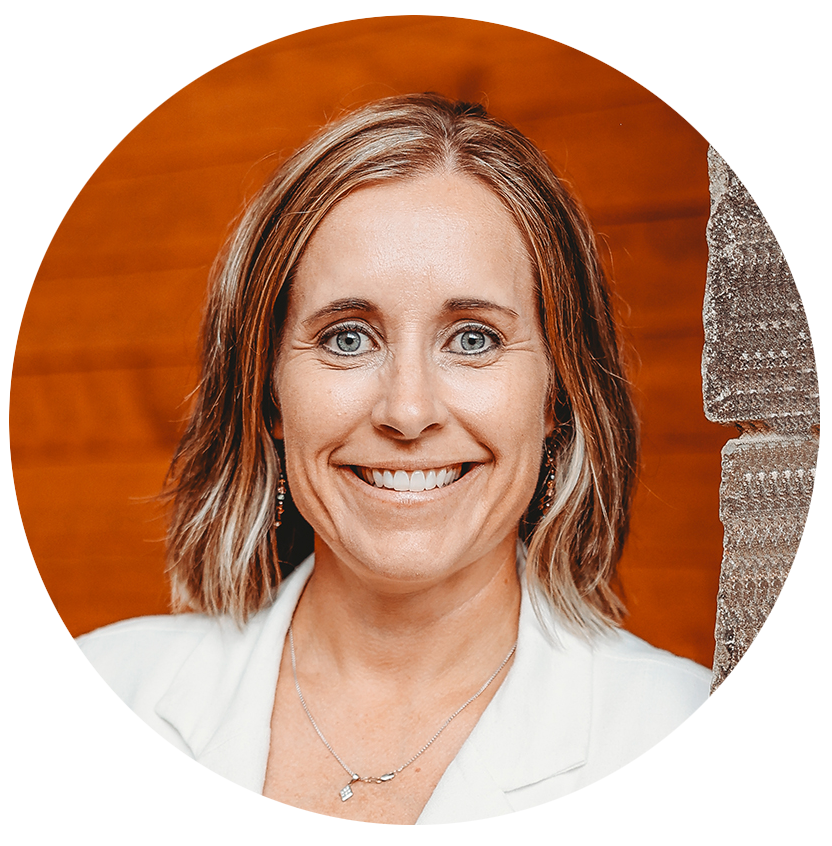
Laura Nyhus, MS CCC-SLP, Speech Therapy
Our content is for informational purposes only and should not be relied upon as medical advice. The content is not designed to replace a physician’s medical assessment and medical judgment. As always, please consult first with your physician about health matters.


Leave A Comment