
Various Types of Strokes
A stroke is a serious medical condition that occurs when the blood supply to any region of the brain is reduced or completely blocked. Just as strokes have many effects, they also have several causes.
- A transient ischemic attack (TIA) is often called a mini-stroke. With many of the same symptoms, a TIA can act as a warning for a future stroke.
- A subarachnoid hemorrhage is bleeding in the space that surrounds the brain. As Perham Health’s least number of patients seen each year, this type of stroke is often due to an aneurysm or head trauma.
- Ischemic stroke, otherwise known as a clot, is the more common. As the most-seen stroke in the Perham Health emergency department, it is caused by an obstructed vessel supplying blood to the brain.
- Intracerebral hemorrhage, or brain bleed, is bleeding within the brain tissue. Because it is a greater life-threatening type of stroke, calling 911 at the first recognition of the B.E. F.A.S.T. signs and symptoms is essential.
B.E. F.A.S.T
In one survey, the CDC reported that 93% of respondents recognized sudden numbness on one side as a symptom of stroke. At the same time, only 38% were aware of all major symptoms and knew to call 911. Knowing all the warning signs and symptoms of stroke is crucial for better outcomes.

The B.E. F.A.S.T. stroke awareness acronym contains all the major signs and symptoms to help identify a possible stroke. Typically when a person suffers from a stroke, symptoms are abrupt and appear simultaneously. A stroke can happen to anyone at any age, so knowing the warning signs is essential. It is good to remember that a stroke is not a wait-and-see kind of condition. If you are unsure about the symptoms you are experiencing or witnessing, call 911 immediately. Let emergency medical experts determine the cause.
For the two year period of 2021 and 2022, 119 stroke patients were treated at Perham Health. Commonly documented signs and symptoms were the sudden onset of balance issues, dizziness, difficulty finding words, falling, and vision problems. Even with these signs and symptoms, it is entirely possible to have a stroke without knowing it or others knowing.
On The Clock
Remembering every second counts is crucial for initial medical treatment and, ultimately, recovery. Call 911 immediately. By calling, you forewarn not only the ambulance crew but also the emergency department staff of a possible stroke patient. This gives hospital staff the added minutes to prepare to do a CT scan and ready particular medications, along with notifying the Sanford Fargo stroke care team if needed.
While waiting for emergency medical staff to arrive, stay with the person. Medical workers will ask when symptoms started and the last known time the person seemed well.
Stroke Ready Hospital
As a certified Stroke Ready Hospital by the Minnesota Department of Health, Perham Health is prepared to evaluate, stabilize, and provide emergency treatment to patients with acute stroke symptoms. Stroke Ready allows ED staff to administer clot-busting drugs known as thrombolytics. By administering thrombolytics within the first four and a half hours after a stroke, there is a greater chance that the medication will be effective in dissolving the clot and restoring blood flow to the affected area of the brain. This can help to reduce the damage caused by the stroke and improve the chances of a full recovery. However, it is important to note that thrombolytic therapy is not suitable for all types of stroke.
Being Stroke Ready means Perham Area EMS providers receive extra training to recognize stroke symptoms to quickly get patients to the hospital for fast treatment. In short, this designation is for excellence in the care of stroke patients and provides a framework for improving patient outcomes. As of June 2022, the Minnesota Department of Health has designated 116 stroke hospitals. As a result, 92% of Minnesotans now live within a 30-minute drive of a designated Stroke Ready hospital.
Risk Conditions
Anyone can have a stroke. Therefore, everyone should be ready to take action. Specifically, persons with high blood pressure, high cholesterol, smoking, obesity, and diabetes are at risk for stroke. One in three adults has at least one of these conditions or habits. Furthermore, the Hispanic population is at a greater risk for stroke. Unfortunately, data shows one in four stroke survivors will have another.
Children are not immune to strokes. The Journal of Neuro-Science Nursing states stroke is the 10th leading cause of death for children in the U.S. Although, Perham Health has never treated an individual under 18 for a stroke, a future patient will not be unheard of. In short, the number of strokes is rising in this age group due in part to elevated lipid profiles or, simply said, the amount of cholesterol and triglycerides in the blood. Infection, trauma, other cardiac disorders, and illnesses are also contributing factors.
The risk conditions are mostly manageable. Up to 80% of strokes may be prevented with medication and healthy habits. Medications, a healthy lifestyle consisting of exercise and nutritious foods, and avoiding smoking and excessive consumption of alcoholic beverages are part of living well. Moreover, going to the clinic for a yearly checkup will help to identify any concerning issues, such as out-of-range bloodwork results and high blood pressure. Proper health also includes getting good sleep, practicing mindfulness, managing stress, keeping mind and body fit, and connecting socially. Ensuring you take the time to care about your well-being is vital to good health.
Recovering
Depending on each person, the type of stroke, and the treatment they were able to receive, Ellie VanEnk, Stroke and Trauma RN Specialist, explains, “Recovery can take days, weeks, or even months. A stroke is such a life-changing event for anyone, both emotionally and physically, that can be lifelong.”
However, post-stroke rehabilitation is possible despite the possible long and tiring recovery process. Along with the patient’s medical team, family and friends also play an essential role in the recovery process. In short, this can go a long way in helping stroke survivors cope with their feelings, such as loneliness. Similarly, showing patience while they perform tasks or speak, and encouraging independence – even when you want to help – are motivations for stroke individuals. You help reassure them of their increased abilities and can-do progress in recovering. Keeping in mind that every stroke is unique; recovery will be, too.
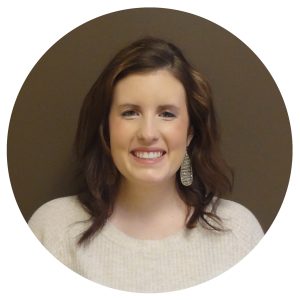
Ellie VanEnk
Stroke and Trauma RN Specialist
Perham Health




Leave A Comment