
 Don Porter woke up to blurry vision and knew something wasn’t right. “I couldn’t read anything. I kept asking my wife, ‘Can you read this? I can’t see it.'”
He made an appointment at Perham Health’s Same Day Care Clinic. His symptoms, vision changes, increased thirst, nausea, and fatigue are all symptoms of uncontrolled diabetes. Finally, to confirm that it was diabetes, they tested his A1C blood sugar levels.
Don’s levels were very high at 12.6. Anything 6.5 and higher is considered diabetes. Therefore, with readings this high, Don had diabetes.
Diabetes is a severe and chronic health condition that affects how your body turns food into energy.
Food is turned into sugar and needs insulin to make it into energy that the body can use. However, when your body doesn’t make enough insulin and you have too much sugar in your bloodstream, you have diabetes. Diabetes can cause a lot of problems in many different body systems. For example, a person with diabetes is more likely to have heart attacks, strokes, dementia, kidney problems, etc.
With readings this high, Don needed to go on insulin immediately. Dr. Matt Haugen, a family medicine physician, saw Don next. He started Don on insulin along with some other medications to help control his diabetes.
Don needed to test his blood sugar twice a day. He was taught to prick his finger and use a glucose monitor to monitor his blood sugar levels. Additionally, he learned to give himself insulin shots which he would need once daily.
The next stop was to see Gwen Horter, dietitian and diabetes educator. As a diabetes educator, Gwen explains various aspects of diabetes. For example, how to and how often to check sugar levels, different medications, adjusting insulin dosing, and lifestyle changes (diet and exercise) to help control diabetes.
“It is possible to make lifestyle changes, like changing what you eat and getting more exercise, that can have a huge impact on blood sugars,” explains Gwen.
“She gave me some tips on what to do and what not to do,” remembers Don.
Lucky for Don, he had been a chef for many years, so he understood much about food.
One of the first things he did was give up his beloved sweet tea that he had been drinking since he was 13. Don bought it by the case and often drank a gallon or two daily. Then, he gave it up cold turkey.
His chef skills came in handy in changing how he was preparing his food. “I’ve always eaten salads, but how you prepare the other food makes the difference. I bake or air fry a lot of my food now, and I try to avoid bread. I drink sugar-free flavored water. I still enjoy my chocolate and candy, but not nearly as much as I used to. It’s more of a treat now. It was a wake-up call to pay attention to what you’re putting in your body,” said Don.
The next time Dr. Haugen saw Don, he was impressed. Over three months, Don cut his A1C nearly in half (to 6.5), and they were able to stop his insulin. “The medications certainly helped, but ultimately his lifestyle changes, increased exercise, watching carbs/sugars, and cutting out sugary drinks, are what had the greatest effect,” Dr. Haugen said.
Next, at Don’s next three-month appointment, his A1C was actually below the diabetic range, and they were able to reduce his medications even further.
“I went from shots, pricking my fingers, and taking medications all the way down to just taking medications. I am working hard to lower the amount of medication I need. It’s remarkable what the body can do when you give it a little jump start,” says Don.
“As Don has shown, diabetes isn’t a death sentence. It is possible to gain strong control over diabetes and not let it run your life. He put a lot of effort into lifestyle changes and has gained control over diabetes. So to the point that I would not, as long as he maintains control the way he has, expect it to cause him much trouble from now on,” said Dr. Haugen.
Don’s advice “Watch what you are eating and how you are preparing your food. That can make all the difference.”

Gwen Horter, RDN, LRD, CDCES, Dietitian, Diabetes Education
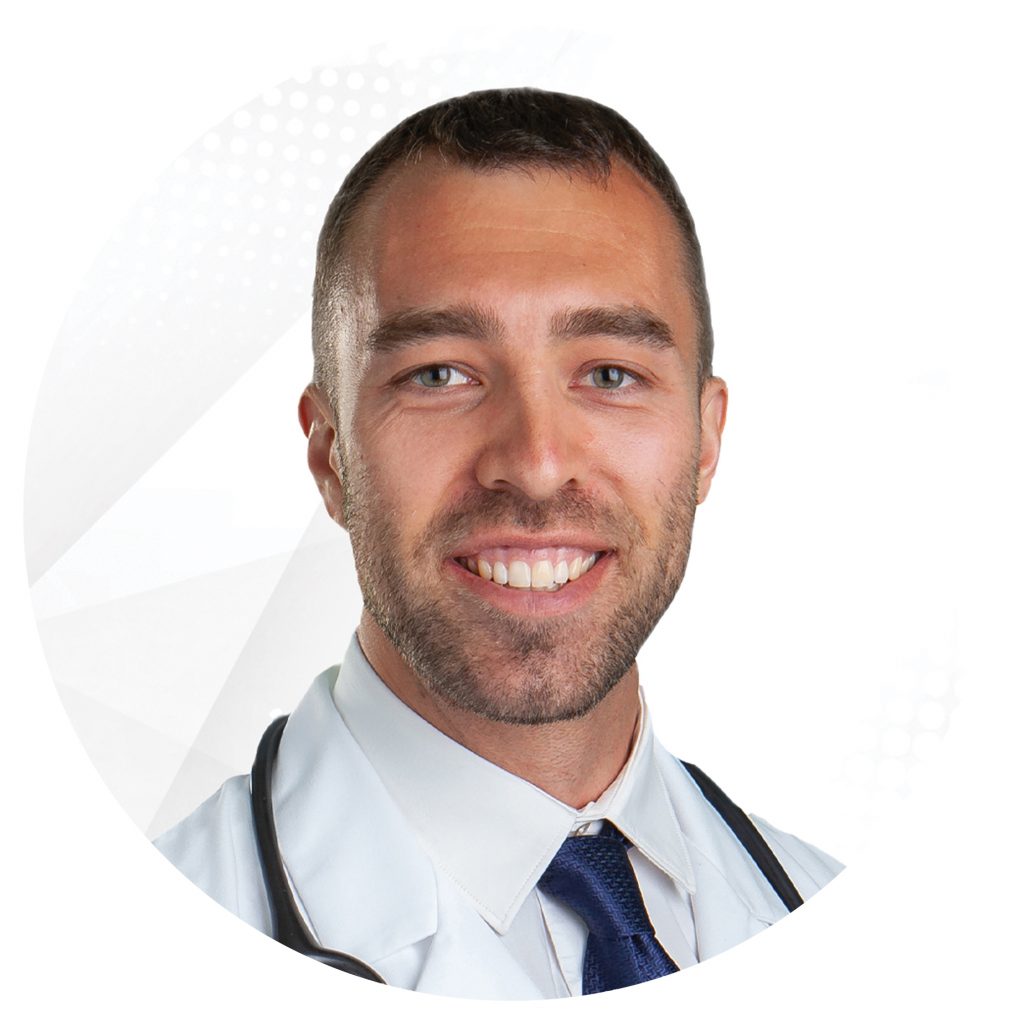
Matthew Haugen, MD, Family Medicine
Perham Health
. . .
To learn more about diabetes, click here: Diabetes Education
. . .
People join Perham Health for the opportunities and stay because of the culture. Kickstarting your career with us means you’re joining a team of healthcare professionals dedicated to your success.
If you’re searching for a lasting career where you can make a difference in the health and wellness of others, explore the opportunities with Perham Health.




I enjoyed sharing my story of the facts about life changing like diabetes. I’m hoping by sharing my story that it helps others in trying to get control of theirs.
Thanks again and god bless
aww yes you are doing a great job.